
Advancing Sustainable Energy with Crystalline Silicon Power Generation Glass
2026-02-12
Crystalline Silicon Power Generation Glass is increasingly recognized as a cornerstone of modern renewable energy solutions, combining the durability of high-quality glass with the efficiency of crystalline silicon photovoltaic technology.
Crystalline Silicon Power Generation Glass is increasingly recognized as a cornerstone of modern renewable energy solutions, combining the durability of high-quality glass with the efficiency of crystalline silicon photovoltaic technology. As the global demand for sustainable energy grows, architects, engineers, and developers are exploring innovative ways to integrate energy generation directly into building materials. Crystalline silicon power generation glass, often used in windows, façades, and skylights, allows buildings to produce electricity while maintaining transparency, aesthetic appeal, and thermal insulation performance.
One of the most significant advantages of crystalline silicon power generation glass is its high conversion efficiency. Unlike thin-film alternatives, crystalline silicon cells provide superior power output per unit area, making them ideal for high-rise buildings and projects with limited surface space. Developers can utilize this technology to meet energy standards, reduce reliance on the grid, and lower overall operational costs. Moreover, crystalline silicon power generation glass can withstand extreme weather conditions, such as heavy rain, snow, and strong winds, ensuring reliable performance for decades.
In addition to efficiency, crystalline silicon power generation glass contributes to energy-saving building designs. By integrating photovoltaic cells into glass panels, the building envelope itself becomes an energy-producing element. This approach aligns with global green building standards, including LEED and BREEAM, which encourage the use of renewable energy technologies in construction. Building-integrated photovoltaic (BIPV) solutions like crystalline silicon power generation glass not only help achieve net-zero energy goals but also enhance the architectural design by eliminating the need for separate solar panels.
Recent projects worldwide demonstrate the versatility of crystalline silicon power generation glass. From office towers in Europe to commercial centers in Asia, developers are adopting this technology to create sustainable, self-sufficient buildings. Architects value the material not only for its energy performance but also for its ability to maintain natural lighting, reduce glare, and improve indoor comfort. When combined with energy-efficient facades, shading systems, and insulation, crystalline silicon power generation glass helps reduce a building’s carbon footprint while supporting long-term sustainability.
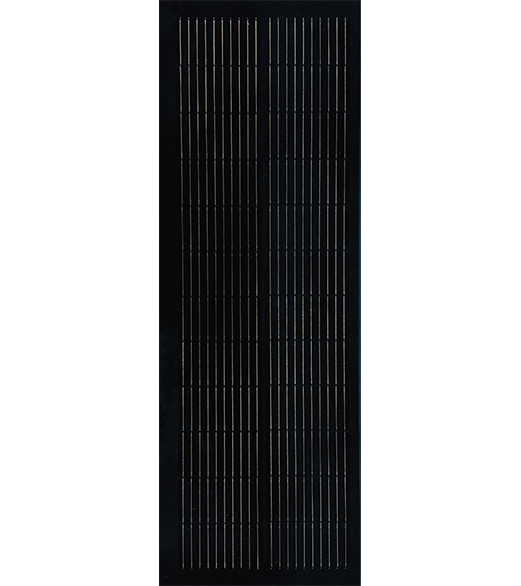
The manufacturing process of crystalline silicon power generation glass has also evolved significantly. Advanced glass fabrication techniques ensure the precise placement of solar cells without compromising transparency or structural integrity. Anti-reflective coatings, tempered glass layers, and encapsulation technologies enhance durability and maximize energy output. These innovations make crystalline silicon power generation glass a highly reliable choice for both new constructions and retrofitting existing buildings.
As global policies increasingly favor clean energy adoption, crystalline silicon power generation glass is set to play a central role in transforming urban energy landscapes. Governments and private enterprises are offering incentives for integrating renewable energy systems into building designs, making BIPV solutions more accessible. Crystalline silicon power generation glass represents a practical, scalable, and visually appealing way to harness solar energy, contributing to the reduction of greenhouse gas emissions and supporting the transition toward a sustainable future.
In conclusion, crystalline silicon power generation glass is more than just a building material—it is a strategic tool for sustainable architecture. By combining high-efficiency photovoltaic performance with durable, aesthetically pleasing glass, it enables buildings to generate energy, reduce costs, and support global climate goals. As technology advances and adoption grows, crystalline silicon power generation glass will continue to redefine how cities consume and produce energy, making sustainable urban living both achievable and attractive.
More News
2026-08-22

Power generating glass represents a remarkable advancement in building materials, seamlessly integrating energy generation with architectural design. This innovative type of glass is embedded with photovoltaic cells or is treated with special coatings that allow it to convert sunlight into electricity. As the construction industry increasingly embraces sustainability, power generating glass emerge
2026-08-20

Innovative Building Materials: Why Choose Crystalline Silicon Power Generation Glass Introduction to Crystalline Silicon Power Generation Glass In the ever-evolving landscape of construction and architectural design, the pursuit of sustainable and innovative materials has never been more critical. Crystalline silicon power generation glass stands out as a transformative solution that not only meet
2026-08-18

Cadmium telluride photovoltaic glass is a type of solar cell technology that has garnered attention in the field of building materials, particularly in architectural glass applications. This innovative material serves as both a functional and aesthetic component in modern construction, offering unique advantages that appeal to both builders and architects. One of the primary benefits of cadmium te

Follow Us


Contact Us
Overseas Operation Center: Building 2, Unit 2, Huiyin Center, Wuchang Street, Yuhang District, Hangzhou City
Manufacturing Center: No. 68 Donghuan Road, Qingshan Lake Street, Lin'an District, Hangzhou City, Zhejiang Province (Building 1, Room 101)